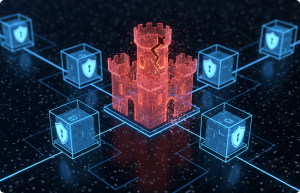




Navigating Network Security in 2025: Insights for Visionary Enterprises
Navigating enterprise cybersecurity in 2025 demands a forward-thinking approach shaped by the year’s defining network security trends. Modern enterprises recognize that relying solely on traditional perimeter defenses like firewalls is no longer sufficient. Instead, advanced zero trust principles have become the cornerstone of resilient cybersecurity strategies—where every user, device, and connection must be continuously verified, and nothing is trusted by default.
At the core of this transformation is the adoption of Zero Trust Network Access Control (ZTNA) solutions that enforce strict identity verification, least privilege access, and micro-segmentation. These measures reduce attack surfaces and protect organizations from lateral movement attempts by attackers that seek to exploit weak links inside the network. By embracing Zero Trust models, enterprises can establish granular access policies that adapt dynamically based on context, risk factors, and behavioral analytics.
Artificial intelligence (AI)-powered threat detection is rapidly reshaping how enterprises defend against increasingly sophisticated cyberattacks. Machine learning algorithms and real-time behavioral analytics enable identification of anomalies and emerging threats that traditional signature-based tools may miss. Automated response capabilities further enhance defense posture by reducing mean time to detect and contain incidents—keeping organizations ahead of dynamic threat vectors. This proactive security approach is essential given the rise of AI-enabled malware that continuously evolves to evade detection.
Comprehensive network visibility remains non-negotiable in 2025. Enterprises require solutions that provide unified oversight across the cloud, data centers, endpoints, IoT, and operational technology (OT) networks. Such visibility enables security teams to gain instant awareness of devices, user behaviors, and risky activities, facilitating faster investigations and more informed risk decisions. Visibility tools also support compliance monitoring by automatically collecting real-time evidence required for audits and regulatory reporting.
Network Access Control (NAC) solutions emerge as foundational pillars of enterprise security architecture in 2025. Modern NAC platforms empower organizations with adaptive security controls that enforce dynamic compliance, automate device posture assessment, and enable secure network segmentation. As business environments grow more complex and hybrid, scalable NAC solutions allow enterprises to continuously monitor and control access across diverse wired, wireless, and virtual environments. This adaptability ensures security evolves with business needs while maintaining operational efficiency.
Intensifying regulatory requirements globally underscore the importance of real-time security and compliance monitoring. Enterprises must demonstrate rigorous enforcement of policies and incident reporting to avoid costly fines and reputational damage. NAC solutions integrated with threat intelligence and zero trust principles provide the continuous visibility and automated controls necessary to meet these demands effectively.
For visionary enterprises aiming to lead in cybersecurity resilience, the path forward centers on strategic investments in:
- Deploying zero trust network access models that eliminate implicit trust and control every access request dynamically.
- Leveraging AI-driven threat detection and automated response tools to rapidly identify and neutralize advanced threats.
- Prioritizing deep network visibility and continuous compliance monitoring across all network segments.
- Selecting scalable, intelligent NAC solutions that evolve alongside business demands and regulatory landscapes.
By embedding these trends into their cybersecurity strategies, forward-looking organizations set new standards of excellence. They transform security from a reactive cost center into a strategic enabler for business innovation and trust. This holistic approach to enterprise cybersecurity not only mitigates risks but also accelerates digital transformation with confidence.
2025 marks a pivotal year where network security transcends traditional boundaries to become an integrated, intelligent, and adaptive discipline essential for sustainable growth and competitive advantage.